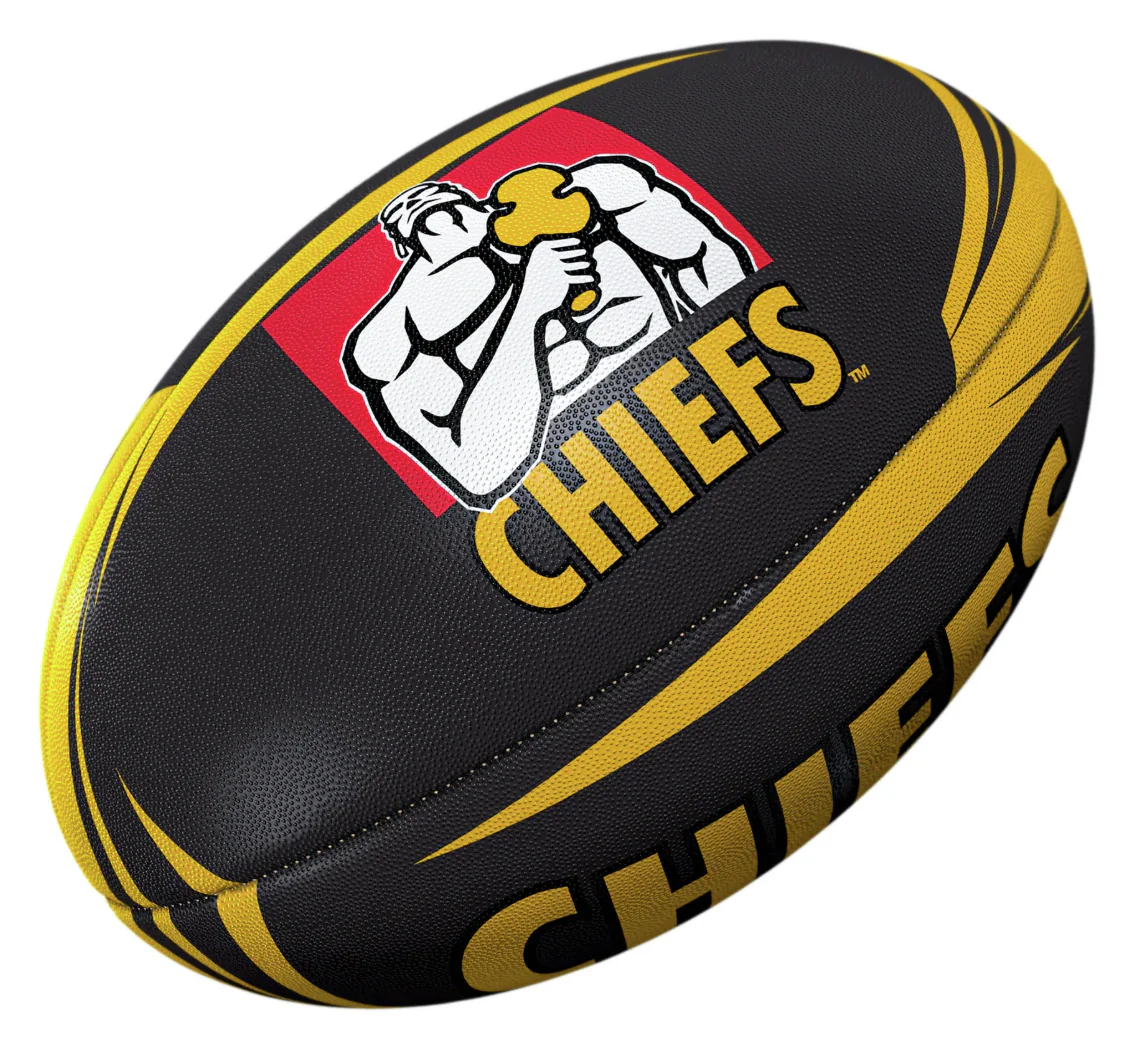
I've been following the dispute between the new PNG Chiefs NRL franchise and the existing Waikato Chiefs Super Rugby team in New Zealand. Coming at this from a graphic designer's perspective rather than a legal one, I find the whole situation pretty interesting.
As someone who works in branding, I understand the importance of protecting intellectual property and the investment that goes into establishing a recognisable identity. But I also think there's an interesting discussion to be had about originality, common names and whether two sporting organisations can build distinct identities around the same word.
Can anyone really own a common word?
The word Chiefs isn't particularly unique. It's an ordinary English word, not something invented specifically for a sporting organisation. While common words can obviously be trademarked, I find it interesting when an established brand attempts to prevent another organisation from using a word that's already part of everyday language.
There are countless examples internationally of sporting organisations sharing common names such as Tigers, Eagles, Bulldogs and Magpies. The Kansas City Chiefs in the NFL are another interesting example, sharing the same nickname as the Waikato Chiefs. While American football has evolved into a distinctly different sport, it shares historical roots with rugby. It's another example of how two professional sporting organisations can establish recognisable identities around the same name.
Even within Australia, we have the Richmond Tigers in the AFL and Wests Tigers in the NRL. Both operate in professional sporting competitions, sell merchandise, attract sponsors and compete for audiences, yet they've managed to establish clearly distinguishable identities.
To me, these examples demonstrate that sharing a sporting nickname doesn't automatically mean sharing a brand identity. Geography, visual identity, history and supporter culture all play significant roles in how we recognise and distinguish sporting organisations.
Two teams, two identities
The PNG Chiefs are entering the NRL as a Papua New Guinean rugby league team, while the Waikato Chiefs are a New Zealand rugby union franchise playing in Super Rugby. They're based in different countries, represent different communities and compete in different sporting codes.
Yes, rugby league and rugby union share similarities, and there's undoubtedly some overlap between their audiences. However, from a branding perspective, I find it difficult to believe that consumers wouldn't be able to distinguish between the two organisations, particularly when their geographical identities are so different.
If the PNG franchise had adopted a similar logo, colour palette or overall visual identity, I'd see a much stronger argument for protecting the established brand. But sharing a common word doesn't necessarily mean sharing an identity.
Of course, we may not of seen the complete PNG Chiefs branding yet, so there's still an important part of the creative discussion missing. The visual direction they choose could either reinforce that distinction or make the similarities more obvious.
The missed creative opportunity
What interests me more than the legal dispute is the original decision to choose the name Chiefs.
The PNG franchise is starting from scratch. Unlike an established sporting club with decades of history, there's no existing name, identity or supporter heritage that needs to be preserved. The NRL effectively had a blank canvas to develop something completely original.
Papua New Guinea has an incredibly strong rugby league culture, along with a distinctive national identity, history and visual heritage. There's an enormous amount of creative potential there, particularly when it comes to developing a name and identity that genuinely represents the country and its supporters.
Instead, the NRL has chosen a name already associated with another professional rugby organisation. Even if the two teams can establish completely separate identities, it raises the question of why they would willingly introduce that comparison in the first place.
I think that's the disappointing part from a creative perspective. Rather than using the opportunity to create something distinctive, they've selected a relatively generic sporting name that already carries an established association within the same broader sport.
Conclusion: An unnecessary risk?
Regardless of how the dispute is eventually resolved, I think choosing the Chiefs name was an unnecessary risk for the NRL.
When developing a new brand, particularly one without any existing history or identity to preserve, you have an opportunity to avoid these sorts of complications from the beginning. Researching existing brands and potential conflicts is a fundamental part of the creative process, not simply something left for lawyers to resolve once a name has been chosen.
There were countless other directions the NRL could have explored. A more distinctive name could have created a stronger connection to Papua New Guinea while giving the franchise something genuinely unique to build upon.
Originality isn't just about creating something that looks different. It's about developing an identity that people can recognise, remember and associate with one particular organisation. Choosing a name already established within a closely related sporting market makes that job unnecessarily difficult.
I don't necessarily agree that the Waikato Chiefs should have exclusive use of such a common word, particularly when other sporting organisations successfully coexist with shared names. But I also question why the NRL would choose to put itself in this position.
Ultimately, neither organisation benefits from the dispute. The Waikato Chiefs are having to defend their established identity, while the NRL is dealing with unnecessary controversy before its new franchise has even played a game.
From a creative perspective, the question isn't really whether the NRL was allowed to use the name Chiefs. It's whether Chiefs was ever the best name they could have come up with.
And personally, I think they missed an opportunity.
A lesson from our own studio
Recently, a business came to our studio with its name already chosen, an ABN registered and the business largely set up. We took the name as part of the client's existing business identity and went on to complete the branding and website. It wasn't until after that work was finished that I noticed several established businesses in different states using exactly the same name or very similar spellings, often in the same or closely related markets.
What surprised me was that it wasn't even a common word. It was a made-up name, yet it still had substantial competition. At that point, we weren't being engaged to develop or assess a name; we were being asked to design an identity around a name the business had already committed to. I'd reasonably expect that research to have happened before the client registered it, let alone invested in branding and a website.
Even if no legal dispute ever arises, a name like that brings practical problems. How do customers find the correct business when a Google search turns up several similar names? How much more work does it take to build recognition, credibility and a memorable identity when the name is already crowded? Ironically, after we finished the branding and website, the business began appearing above similarly named competitors in the Google results we checked, including being featured prominently in an AI Overview. That's a satisfying outcome for the work, but it doesn't mean the naming risk was a good one. Strong design, website content and search visibility can help distinguish a business after the fact; they don't make a crowded name any easier to own in people's minds.
That's why I'd encourage anyone starting a business to take naming seriously from the beginning. If you're commissioning a studio to create a name, research and testing should be part of that brief. If you're bringing an existing name to a designer, make sure you've independently checked competing businesses, online search results and potential trademark conflicts before committing to it. Finding a name you love, or being able to register an ABN, doesn't mean it's a good foundation for a brand.
We've explored the naming process further in Naming Your Business: What Works—and What Usually Doesn’t. You can find more writing on branding and design in the Studio Friday Journal.